


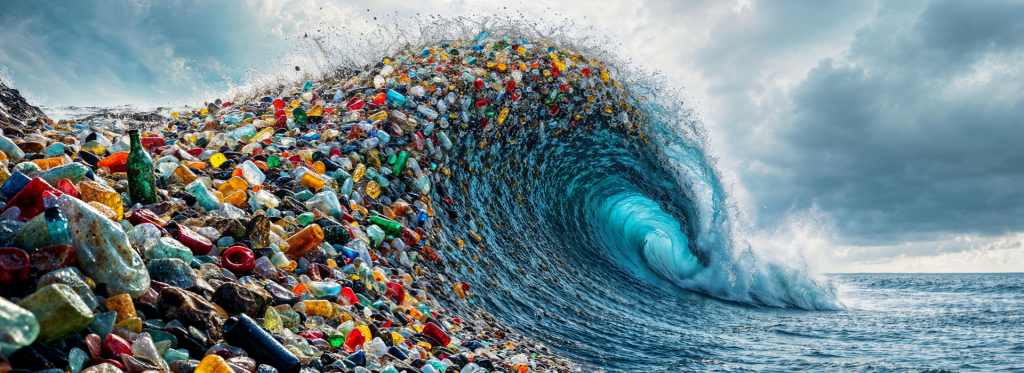
We'll design your packaging to be PPWR-compliant!
PPWR stands for the Packaging and Packaging Waste Regulation—that is, the EU's new packaging regulation.
The goal: to reduce packaging waste, promote recycling, and encourage the use of sustainable materials.
WEBER provides you with practical, solution-oriented support—from consultation and material selection all the way to the finished packaging. With our expertise in regulatory requirements, sustainable materials, and state-of-the-art production processes, we ensure that your products are not only compliant with the law but also attractively packaged.
We'll find the right solutions to help you navigate the transition phase with ease.
Contact us for a no-obligation consultation and find out how easy it is to implement the PPWR Regulation in your organization!
What is the PPWR?
The PPWR, officially Regulation (EU) 2025/40, entered into force on February 11, 2025, and will become mandatory for all EU member states starting in August 2026. It replaces the previous EU directive (PPWD, Directive 94/62/EC) and establishes a uniform and directly applicable legal framework in all member states.
Goals & Background
Prevention and Reduction of Packaging Waste
Promoting Recycling and the Circular Economy
Use of Recycled Raw Materials
Decarbonization through resource conservation by 2050 at the latest
Key Provisions of the Regulation
The Packaging and Packaging Waste Regulation (PPWR) introduces a series of key measures to reduce the environmental impact of packaging in the European Union.
Essentially, the PPWR aims to minimize waste generation, promote reuse, and improve the recyclability of packaging.
To this end, the regulations establish, among other things, binding targets for the use of recycled materials and set guidelines for packaging design. These comprehensive regulations are intended to bring about a paradigm shift throughout the entire packaging value chain and thus contribute significantly to a true circular economy.
Mandatory Recycling
All packaging should be designed so that it can be cleanly separated and reused or transformed into new products.
Starting January 1, 2030, only packaging with a recyclability rate of at least 70 % (by weight) may be placed on the market.
Packaging that was already placed on the market before January 1, 2030, may continue to be used and sold.
The ban applies only to new packaging that is placed on the market for the first time starting in 2030.
There is no requirement to recall or destroy existing inventory or packaging that has already been delivered.Minimum Recycling Rates
Starting August 12, 2026, plastic packaging must contain at least a certain percentage of recycled material, measured as a recycling rate. The exact rate varies depending on the type of plastic packaging and product group.
Reduction Targets
There are phased reduction targets (−5 % by 2030, −10 % by 2035, −15 % by 2040), which are based on the weight of packaging waste per capita, measured relative to the base year of 2018.
Reusable Packaging Promotion
Targets for reusable packaging in the transportation and retail sectors.
Labeling & Transparency
According to the PPWR, as of January 1, 2028, packaging must include the following information:
Material composition
– e.g., “paper,” “plastic,” “composite material”Recyclability
– Information on whether and how the packaging can be recycledRecycled content
– e.g., “30% recycled plastic” for plastic packagingQR code or digital product passport information
— for added transparency and traceabilityProblem Packaging
There will be restrictions on event-specific single-use plastic packaging (e.g., fruit and vegetable trays, mini cosmetic bottles). At the same time, the Single-Use Plastics Directive (SUPD), which has been in effect since July 2021, will remain in place.
Substance Screening
Starting August 12, 2026, food packaging may only be placed on the market if it complies with certain limit values for PFAS (per- and polyfluoroalkyl substances). This regulation applies unless another piece of EU legislation already imposes a stricter ban. In addition, packaging must be designed and manufactured in such a way that the presence of certain heavy metals and other substances of concern in its composition is limited.
What does this mean for your products?
WEBER stands for sustainable and future-proof packaging solutions:
With our paper-based solutions, your packaging is already PPWR-compliant today.
The recycling rates for paper packaging are significantly higher than those for plastic packaging. In addition, we have been using recycled paper for many years.
All WEBER products are already PFAS-free—in accordance with the Danish standard, which is considered one of the strictest in Europe.
Our products are SUPD-compliant, and we are constantly developing innovative packaging solutions that are in line with the PPWR's objectives.
We'll help you implement the PPWR guidelines!
Our team will advise you on the best packaging solutions for your products—solutions that combine sustainability with product protection.
We are the right partner for you because WEBER has been producing innovative, high-quality packaging made of paper and composite materials for 135 years—packaging that has won the German Packaging Award multiple times.
Our approximately 200 employees are passionate bag makers who give it their all every day to exceed our customers' expectations.
Together, we will overcome the challenges of the PPWR.
Contact us now
Let your imagination run free and send us your ideas – we’ll be happy to advise you! Prices and minimum order quantities are available on request. A quick call or an email is all it takes to get started.